
You've set your thermostat to heat, but cold air is still coming out of your vents. It's unsettling, especially on a chilly morning when you're counting on warmth and comfort. The good news? A heat pump blowing cold air doesn't always signal a major breakdown. Sometimes it's doing exactly what it's designed to do, like running a defrost cycle or switching to a backup heating mode when outside temperatures get too low. Other times, a quick fix like changing a filter or adjusting your thermostat can solve the problem. Understanding what's happening and knowing when to step in (or step back and call a pro) can save you time, money, and stress.
How Do Heat Pumps Work?
Heat pumps are marvels of engineering, designed to move thermal energy in and out of your home efficiently. Though the name implies heating, these systems manage both heating and cooling functions using a basic refrigeration cycle.
- Basic heating cycle
The heat pump draws air from the outdoors, even in cold weather, using refrigerant to absorb heat and transfer it indoors. This heating process often confuses homeowners because the air emerging from the vents may feel cooler than what you'd get from a traditional furnace, even when it's doing its job efficiently. That's because heat pumps don't generate heat, they move it.
- Difference between heating mode and cooling mode
The dual functionality means heat pumps can switch between heating and cooling modes by reversing the direction of the refrigerant flow. In cooling mode, the refrigerant absorbs heat from the indoor air to cool your home and releases it outside. In heating mode, the process flips and the system pulls heat from the outside and brings it in. This versatility of changing refrigerant flow in a single unit makes heat pumps a smarter option for year-round climate control.
- Role of outdoor temperature
Heat pumps operate by exchanging heat with the outside air, and their efficiency decreases as the temperature falls. In extremely low temperatures, heat pumps have to work extra hard, which might make you feel as though your system is blowing cold air. Excessive frost on the outdoor coil can lead to a decrease in performance until the defrost cycle kicks in to clear it up. Understanding this relationship between outdoor temperature and system performance helps you know when your heat pump is working normally and when something's actually wrong.
Common Reasons for Cold Air in Heating Mode
There are a handful of reasons your system might deliver cooler air than you expect.
- It's in defrost mode
When frost or ice builds up on the outdoor unit, your heat pump automatically switches to defrost mode to melt it away. Some units defrost on-demand as needed, while others have a set timer to defrost in 30, 60, or 90 minute increments. During this cycle (usually lasting 5 to 15 minutes), the system temporarily blows cooler air. This is totally normal and means your equipment is taking care of itself.
- Thermostat settings are off
If your thermostat is set to "Cool" instead of "Heat," or if the fan is set to "On" instead of "Auto," you'll feel air moving through your vents that isn't warm. It's a simple mistake that happens more often than you'd think.
- Dirty or clogged air filter
A clogged filter restricts airflow, making it harder for your heat pump to operate. When air can't move freely, the system struggles to heat your home efficiently and you might notice cooler air as a result.
- Low refrigerant levels
Refrigerant is what carries heat from the outside to the inside. If there's a leak or the levels are low, your heat pump can't transfer enough warmth. This is a job for a licensed technician since refrigerant handling requires special training and equipment.
- Blocked or dirty outdoor unit
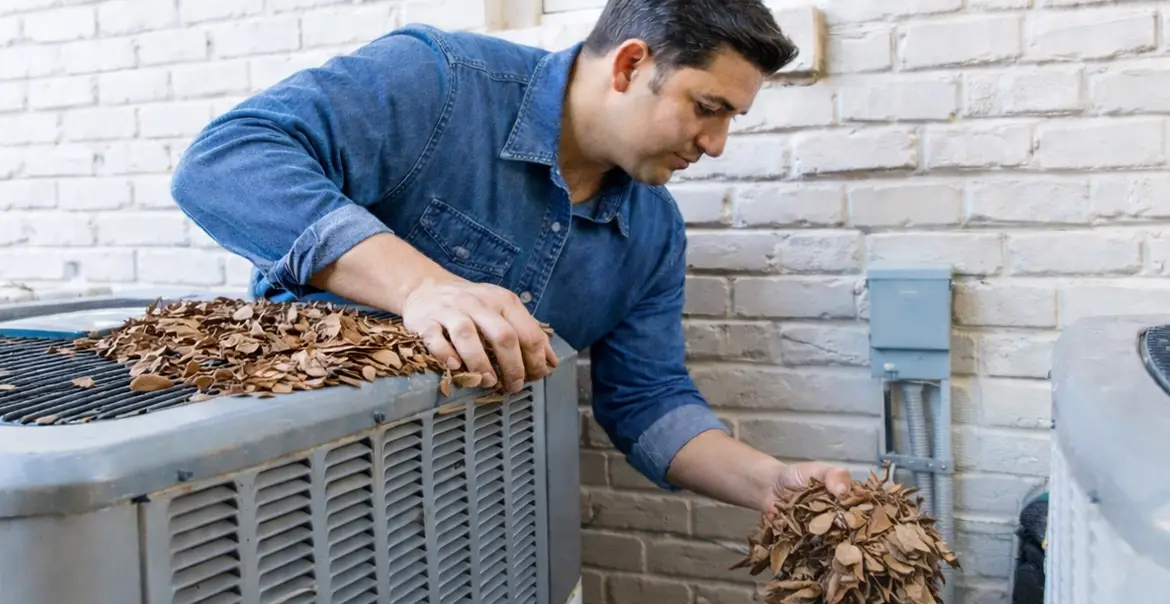
Leaves, snow, ice, or debris around your outdoor unit can block airflow and reduce efficiency. Your system needs clear space to pull in air and exchange heat properly.
- Faulty reversing valve
The reversing valve is what switches your heat pump between heating and cooling modes. If it's stuck or malfunctioning, your system might blow cold air even when you've selected heat. This requires professional repair.
Troubleshooting Steps to Take
Before you pick up the phone, there are a few safe, simple steps you can take to troubleshoot the issue yourself. These checks take just a few minutes and can often solve the problem without a service call.
- Step 1: Double-check the thermostat
Go to your thermostat and confirm the mode is set to "Heat." Raise the temperature setting by at least 5 degrees and listen for the system to kick on. If nothing happens, check the batteries (if applicable) or reset the thermostat according to the manufacturer's instructions.
- Step 2: Replace the air filter
Locate your air filter (usually near the air handler or return vent). Remove it and hold it up to the light. If you can't see through it, it's time for a new one. Replace it with the correct size and type recommended for your system.
- Step 3: Clear the outdoor unit
Turn off power to the outdoor unit at the disconnect box (usually mounted on the exterior wall near the unit). Gently remove leaves, dirt, or snow from around and on top of the unit. Turn the power back on and give the system a few minutes to restart.
- Step 4: Check the circuit breaker
Head to your home's electrical panel and look for any tripped breakers labeled for your HVAC system. If you find one, flip it off completely, then back on. If it trips again immediately, stop and call a professional as there may be an electrical issue.
Tip: Never attempt to open panels on your heat pump, touch refrigerant lines, or handle electrical components beyond resetting a breaker. If you're uncomfortable with any step, stop and contact a licensed HVAC technician.
When to Call a Professional?
Some problems are beyond DIY fixes. Knowing when to call in a pro protects you, your equipment, and your wallet in the long run.
Call a licensed HVAC technician if you notice:
- Cold air persists after you've tried all the troubleshooting steps above
- Heavy ice buildup on the outdoor unit that doesn't clear after a defrost cycle
- Unusual noises like grinding, squealing, or banging coming from the system
- The system cycles on and off repeatedly without reaching the set temperature
- Error codes or warning lights appear on your thermostat or equipment
- You smell burning, see smoke, or notice electrical issues
- Your energy bills spike suddenly without explanation
A trained technician has the tools and expertise to diagnose refrigerant leaks, faulty reversing valves, compressor issues, and electrical problems safely and accurately. Trying to fix these yourself can cause further damage or void your warranty.
Preventive Maintenance Tips
The best way to avoid cold air surprises? Keep your heat pump in great shape year-round. A little routine care goes a long way toward reliable comfort and lower energy bills.
- Change your air filter every 1–3 months: More often if you have pets or allergies. A clean filter improves airflow and efficiency.
- Keep the outdoor unit clear: Trim back plants, remove debris, and clear snow or ice promptly. Maintain at least two feet of clearance on all sides.
- Schedule seasonal tune-ups: Have a professional inspect and service your heat pump twice a year: once before heating season and once before cooling season.
- Set your thermostat correctly: Avoid drastic temperature swings. Use a programmable or smart home thermostat to maintain consistent, efficient settings.
- Check your system regularly: Listen for unusual sounds, watch for ice buildup, and pay attention to how your home feels. Catching small issues early prevents bigger problems later.
Don't Wait for a Breakdown to Take Action
A heat pump blowing cold air can feel alarming, but now you know the most common causes and what you can safely do about it. Start with simple checks like thermostat settings, air filters, and outdoor unit clearance, and give your system time to complete any defrost cycles. If the problem persists or you notice warning signs like ice buildup, strange noises, or error codes, don't hesitate to reach out to a professional.
Regular maintenance and quick action when issues arise keep your home comfortable, your energy bills in check, and your heat pump running smoothly for years to come. Find a certified Lennox dealer near you and schedule your heat pump inspection today. Your comfort is worth it.