
When summer heat rolls in and your heat pump isn't keeping up, it can be uncomfortable and frustrating. You expect cool air, but instead, you're stuck with warm, humid rooms and a system that's not doing its job. The good news? Many cooling issues have straightforward fixes you can handle yourself, while others just need a pro's touch. This guide walks you through how your heat pump works in cooling mode, the most common reasons it might fail to cool, and the steps you can take to get your comfort back on track.
Understanding Your Heat Pump System
A heat pump is basically a two-way comfort machine. Unlike a traditional air conditioner that only cools, your heat pump handles both heating and cooling by reversing its refrigerant flow.
During cooling mode, your heat pump works just like an air conditioner. The outdoor unit pulls heat from inside your home and discharges it outside, while the indoor unit circulates cool air throughout your home. The refrigerant flowing through the system absorbs indoor heat at the evaporator coil, then releases it at the outdoor condenser coil.
The reversing valve allows your system to switch between heating and cooling modes. When this valve directs refrigerant one way, you get heat. Flip it the other direction, and you get cool air. Simple in concept, but when something goes wrong with any part of this cycle, your cooling suffers.
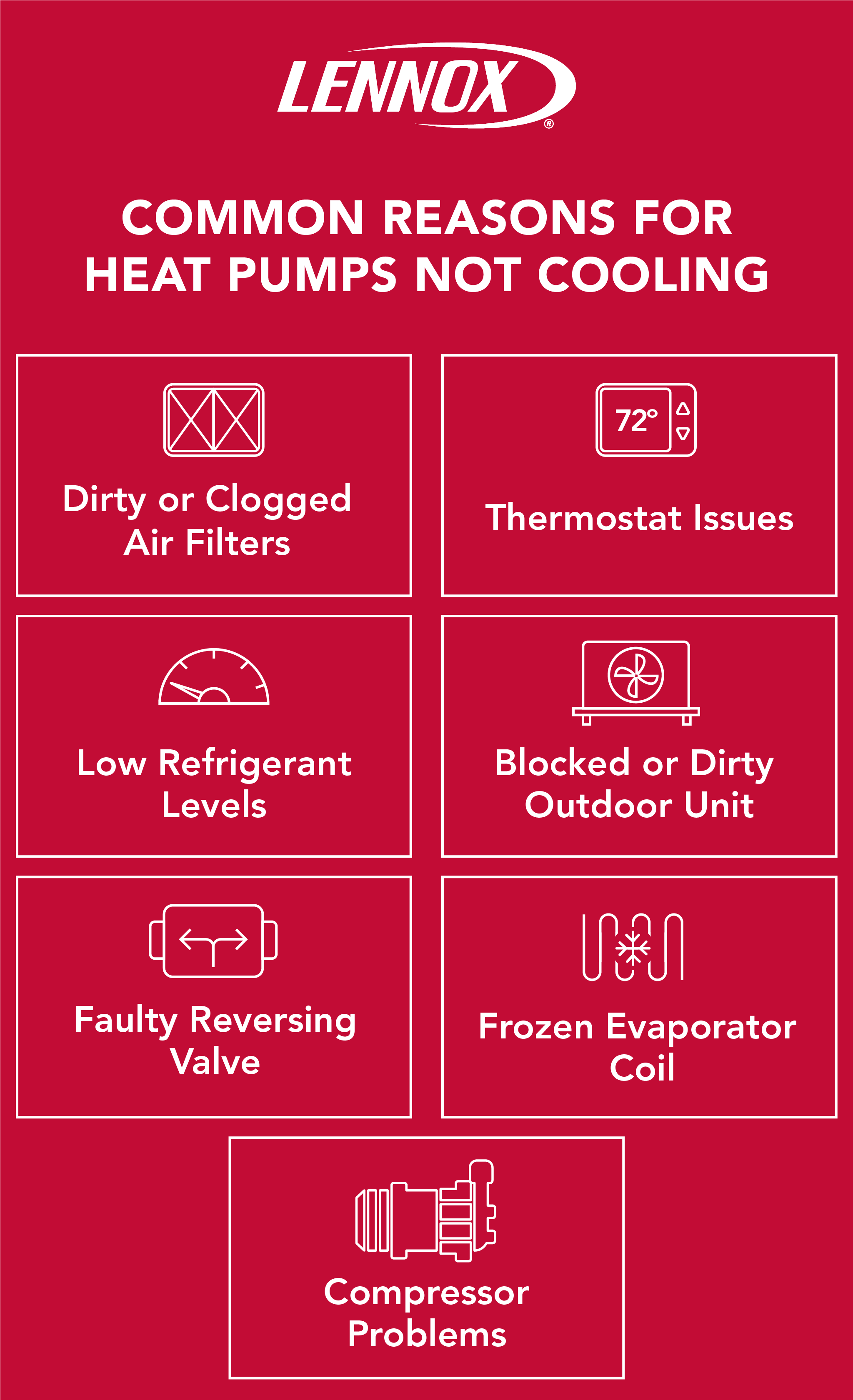
Common Reasons for Heat Pumps Not Cooling
When your heat pump’s not cooling on hot days, you've got a problem. Here are the most common culprits behind a heat pump not cooling properly and some potential quick fixes.
Dirty or Clogged Air Filters
This is the number one reason for heat pump problems, and it's the easiest to fix. When your air filter gets clogged with dust, pet hair, and debris, it chokes off airflow. Less airflow means less heat removal, so your home stays warm even when your system is running constantly.
The fix: Check your filter monthly and replace it every 1-3 months depending on usage, pets, and air quality. It's a five-minute task that can save you hundreds in energy costs and prevent bigger problems down the road.
Thermostat Issues
Sometimes the problem isn't your heat pump at all. If your thermostat is set incorrectly, miscalibrated, or malfunctioning, your system won't cool properly, no matter how well it's running.
Common thermostat mistakes include:
- Setting the system to "heat" instead of "cool" (it happens more than you'd think)
- Fan set to "on" instead of "auto," which circulates air without cooling it
- Temperature set too high to trigger cooling
- Dead batteries in the thermostat
- Thermostat located in a spot that doesn't reflect your home's actual temperature
The fix: Double-check your thermostat settings. Make sure it's set to "cool," the fan is on "auto," and the target temperature is below your current room temperature. If your smart thermostat seems off, try recalibrating it according to the manufacturer's instructions.
Low Refrigerant Levels
Your heat pump needs the right amount of refrigerant to move heat effectively. If refrigerant levels drop, usually due to a leak, your system can't absorb enough heat from your indoor air. The result? Weak cooling, ice buildup on the coils, and a system that runs constantly without lowering the temperature.
Low refrigerant levels don't just hurt performance; they can damage your compressor, leading to expensive repairs or a full system replacement.
The fix: This isn't a DIY job. Refrigerant leaks require professional detection and repair. A trained HVAC technician has the tools to find leaks, seal them, and recharge your system to the proper levels.
Blocked or Dirty Outdoor Unit
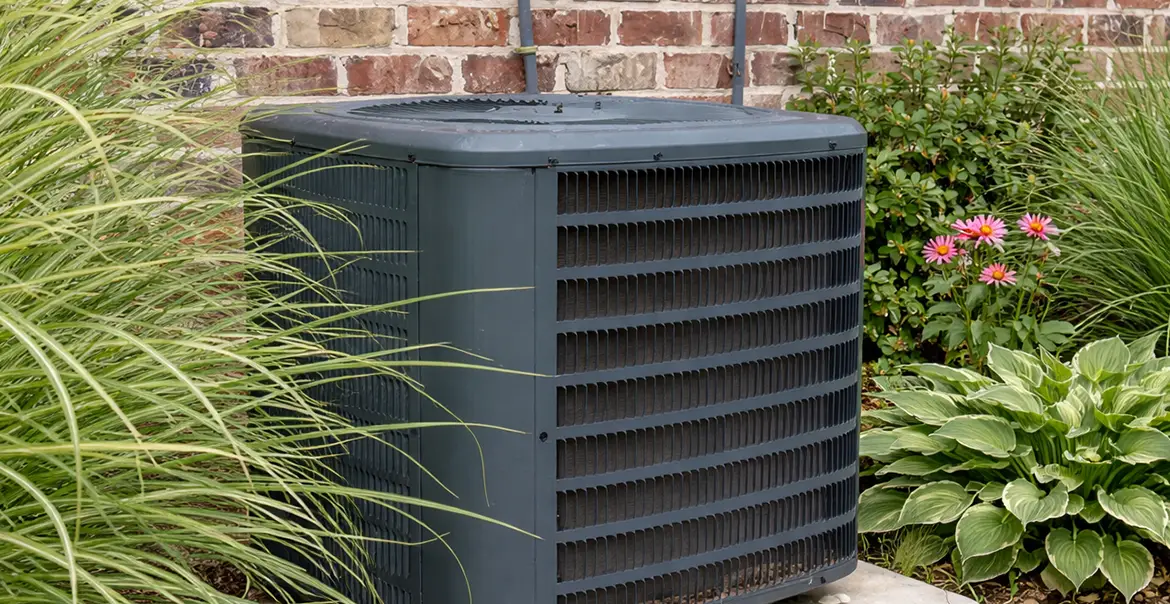
Your outdoor unit needs to breathe. When the condenser coil gets covered in dirt, leaves, grass clippings, or other debris, it can't release heat effectively. The same goes for anything blocking airflow around the unit: shrubs, fences, storage items, or even tall grass.
A blocked outdoor unit causes your system to overheat, work harder, and cool less effectively. In extreme cases, it can trigger safety shutoffs, leaving you with no cooling at all.
The fix: Clear debris around your outdoor unit, maintaining at least 2 feet of clearance on all sides. Gently spray down the coils with a garden hose to remove surface dirt (never use a pressure washer as it can damage the fins). For deep cleaning, call a professional.
Faulty Reversing Valve
Remember that reversing valve we mentioned? When it fails, your heat pump might get stuck in heating mode even when you've set it to cool. Or it might not fully switch modes, leaving you with weak or no cooling.
A stuck or broken reversing valve is usually caused by wear and tear, electrical issues, or refrigerant problems. You might notice your system blowing warm air when it should be cooling, or it might not respond when you switch from heat to cool on your thermostat.
The fix: Reversing valve issues require professional diagnosis and repair. A technician can test the valve, check electrical connections, and replace it if necessary.
Frozen Evaporator Coil
It sounds counterintuitive, but a frozen coil actually prevents cooling. When airflow is restricted (often due to a dirty filter), the evaporator coil can get too cold, causing ice to form. This ice blocks airflow even more, creating a cycle that leaves your home warm despite a running system.
Signs of a frozen coil include:
- Ice visible on the indoor unit
- Water pooling on the indoor unit and/or the line set
- Weak or no airflow from vents
- System running constantly without cooling
The fix: Turn off your system and let the ice melt completely (this can take several hours). Replace your air filter, then restart the system. If it freezes again, call a professional; you likely have a deeper issue, such as low refrigerant or a blower motor problem.
Compressor Problems
The compressor is your heat pump's heart, pressurizing refrigerant and keeping it moving through the system. When the compressor fails or struggles, your entire cooling process breaks down. You might hear unusual noises, notice the outdoor unit not running, or find that your system won't cool at all.
Compressor issues are often caused by electrical problems, overheating, or simply age and wear.
The fix: Compressor diagnosis and repair require professional expertise. Depending on the age of your system, the cost of the refrigerant your current system uses, and the extent of the damage, you might need a compressor replacement or a full system upgrade.
Prevent Cooling Problems with Regular Maintenance
The best way to avoid cooling problems? Don't wait for them to happen. Regular maintenance keeps your heat pump running smoothly and catches small issues before they become expensive repairs.
What regular maintenance includes:
- Filter changes every 1-3 months
- Seasonal tune-ups twice a year: once before heating season and once before cooling season
- Keeping the outdoor unit clear of debris
- Checking thermostat settings seasonally
- Monitoring system performance for unusual sounds or behaviors
Many homeowners find that a maintenance plan from their local Lennox dealer takes the guesswork out of upkeep. You get scheduled service, priority scheduling, and peace of mind knowing your system is in good hands.
Restore Your Comfort Today
A heat pump that won't cool doesn't have to ruin your vibe. Start with the simple fixes: check your filter, verify thermostat settings, and clear debris from your outdoor unit. If those don't solve the problem, don't hesitate to call in a professional.
Whether you need a quick repair or it's time to upgrade to a new, efficient Lennox heat pump, your local dealer can help you find the right solution for your home and budget.
Don't wait for a breakdown to take action. Find a certified Lennox dealer near you and schedule your service today. Your comfort is worth it.