
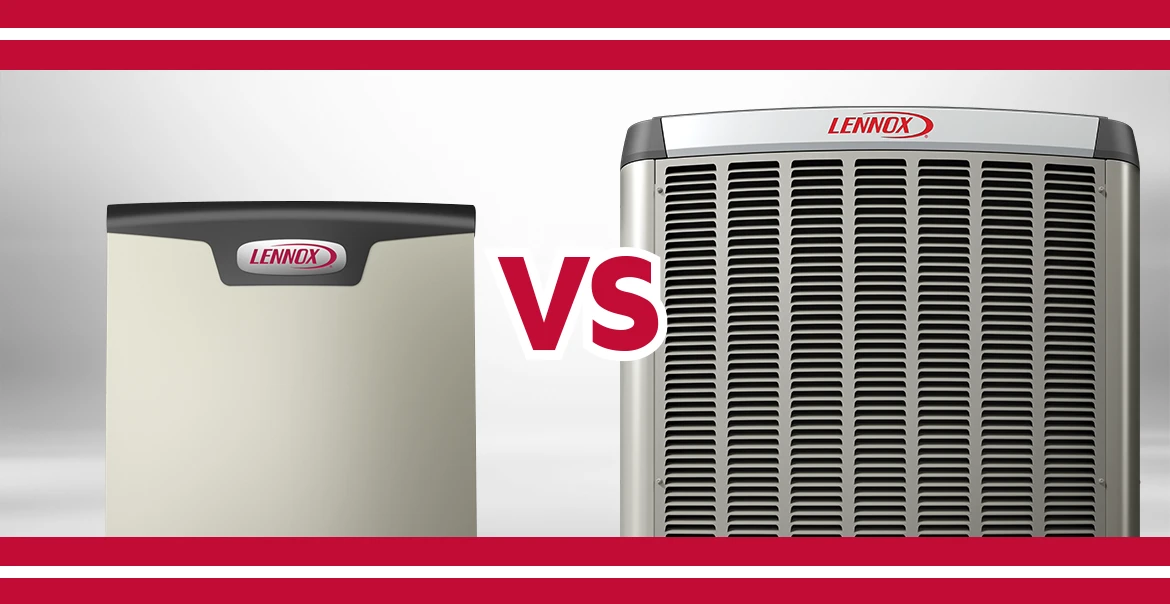
Exploring Your Home Heating Options
Choosing a heating system is one of the most important decisions you'll make for your home. It shapes how warm your mornings feel, how manageable your energy bills are, and how comfortable your family stays through every season. If you're looking to replace an aging system, understanding the differences between a forced-air heating system and a heat pump puts you in control of that decision.
Both systems have real strengths. Both have trade-offs. And neither is a one-size-fits-all answer. What matters is finding the system that fits your home, your climate, and the way your family lives. Let's walk through what each one does and how they compare.
What Is Forced Air Heating?
A forced air heating system uses a furnace as its heat source. The furnace warms the air, and a blower pushes that air through a network of ducts and out through vents into each room of your home. That sets it apart from radiant heating systems, like boilers, which heat water and distribute warmth through radiators or in-floor tubing. Forced air is the classic setup you'll find in millions of homes across the country, and for good reason: it heats quickly, distributes warmth evenly, and can be paired with a central air conditioning unit to handle cooling as well.
The key components work together as a team: the furnace generates heat, the blower circulates it, and air filters clean the air as it moves through the system. Keeping those filters fresh and scheduling regular maintenance keeps the whole system running efficiently and helps reduce allergens in the air your family breathes every day.
Forced air systems are especially well-suited for larger homes, where a centralized duct network can deliver consistent warmth to every level and living space without the need for multiple separate systems.
What Is a Heat Pump?
A heat pump takes a different approach. Rather than generating heat by burning fuel, it transfers heat from one place to another.
During colder months, it extracts heat from the outdoor air, even when temperatures are low, and transfers it indoors. In warmer months, the process reverses, allowing the same system to provide cooling. That dual function is what makes heat pumps stand out. One system handles both heating and cooling, which simplifies your setup and can lower operating costs over time. In ducted homes, heat pumps are usually paired with an electric air handler to help push air through the ducts.
The most common type is the air-source heat pump, which draws heat from the outdoor air. Ground-source, or geothermal, heat pumps tap into the stable temperatures below the ground and are gaining popularity for their high efficiency and lower long-term operating costs. Cold climate heat pumps have also advanced significantly, maintaining reliable performance even when outdoor temperatures drop well below freezing.
Key Differences Between Forced Air Heating and Heat Pumps
Efficiency and Energy Use
Heat pumps have a clear efficiency advantage. Because they move heat rather than create it, they can deliver more heating energy than the electrical energy they consume. When evaluating a heat pump, look at its HSPF (Heating Seasonal Performance Factor) rating, which reflects how efficiently it heats over an entire season. A higher HSPF means more warmth for less energy.
Forced air systems, particularly high-efficiency gas furnaces, are measured by AFUE (Annual Fuel Utilization Efficiency), which reflects how much of the fuel they consume actually becomes heat in your home. Modern high-efficiency furnaces convert a significant portion of fuel into usable heat, making them a strong performer in colder climates where a heat pump may need a backup heat source.
Installation and What Your Home Already Has
If your home already has ductwork in place, both systems can work with it. If it doesn't, installing ducts is a significant project. Heat pumps can also be installed as ductless mini-split systems, which offer more flexibility for homes without existing duct infrastructure.
Forced air systems require ductwork to function. If your home is already set up for it, the transition is straightforward. If not, that's a factor worth weighing carefully with a professional.
Performance Across Climates
Climate plays a major role in system performance. Heat pumps shine in mild to moderate climates, delivering efficient, consistent comfort year-round. In regions with harsh winters and sustained sub-zero temperatures, a forced air system powered by a high-efficiency furnace tends to be the more reliable choice for consistent heating output.
That said, cold climate heat pumps have closed the gap considerably. If you live in a region with cold but not extreme winters, a cold climate heat pump may handle the season comfortably on its own.
Operating Costs and Lifespan
Heat pumps generally offer lower day-to-day operating costs because of their efficiency advantage. Forced air systems can have higher fuel costs depending on local gas or electric rates, but they are built to last for decades with proper maintenance.
When thinking about total cost of ownership, it's worth looking beyond the upfront investment. Factor in energy costs across both heating and cooling seasons, expected maintenance, and the lifespan of each system. For homeowners in drier climates, humidifiers with forced air systems can noticeably improve indoor air quality. A certified HVAC professional can help you run those numbers for your specific situation.
Making the Right Choice for Your Home
There's no universal right answer here. The best system for your home depends on a combination of factors:
Climate: Harsh winters favor high-efficiency forced air. Mild to moderate climates favor heat pumps.
Home size and insulation: Well-insulated homes retain heat more efficiently, which benefits heat pump performance.
Existing infrastructure: Ductwork already in place opens the door to either system. No ducts may point toward a ductless heat pump.
Heating and cooling needs: If you want one system to handle both, a heat pump is a natural fit.
Energy goals: If reducing your carbon footprint or lowering electricity use is a priority, efficiency ratings and fuel type both matter.
Pairing either system with a smart thermostat gives you precise, flexible control over your comfort and can meaningfully reduce energy use by learning your schedule and adjusting automatically.
Dual-Fuel Systems: The Best of Both
Some homeowners choose to pair a gas furnace with an electric heat pump to create a dual-fuel system that alternates between the two fuel sources to maximize comfort and efficiency.
In mild temperatures, the outdoor heat pump delivers efficient, cost-effective heating, using the indoor furnace’s blower to distribute the air throughout the home. When temperatures rise, the heat pump works like a high-efficiency central air conditioner. As colder temperatures set in, the system transitions to the gas furnace for reliable heating. The outdoor temperature at which the system changes from electric heat to gas heat is selected during installation based on climate and the homeowner’s utility preferences.
For homes in four-season climates, or in regions where historically the cost of one utility or the other is particularly high or low, a dual-fuel system can give you the flexibility to tighten your overall utility expenses.
When to Talk to an HVAC Professional?
Before making a final call, connect with a certified HVAC professional. They can assess your home's layout, insulation, existing equipment, and local climate to recommend the system that will actually perform best for your family. Lennox dealers are trained to walk you through your options, explain what installation involves, and back their work with a strong warranty and service support.
The Bottom Line
Forced air heating and heat pumps each bring something valuable to the table. Forced air delivers fast, powerful heat through a system that millions of homeowners already know and trust. Heat pumps offer year-round efficiency and the convenience of a single system for both heating and cooling. Your climate, your home, and your comfort priorities are what tip the scale.
Whatever direction you go, upgrading your heating system is an investment in how your home feels every single day. And that's worth getting right.
We’re here to help make home comfort solutions a little clearer and a lot less stressful.
No Worries. It’s a Lennox.