
In the world of home appliances, the water heater works quietly behind the scenes, but its impact on your daily comfort is anything but. From that first warm shower in the morning to the hot water that cleans your dishes and clothes, your water heater is working around the clock to make your life better.
Whether you're a new homeowner trying to understand your home's systems or considering an upgrade to a more efficient model, knowing the basics of water heaters will help you make smarter decisions. This guide breaks down everything you need to know, from what a water heater does to which type fits your home best.
Understanding Water Heaters
What is a Water Heater?
A water heater is an appliance that heats water above its natural temperature and keeps it ready whenever you need it. It's the reason you don't have to wait for the sun to warm your water or settle for an ice-cold shower on a winter morning. Most water heaters run on electricity, natural gas, or propane, and they come in different sizes to match your household's needs.
How Does a Water Heater Work?
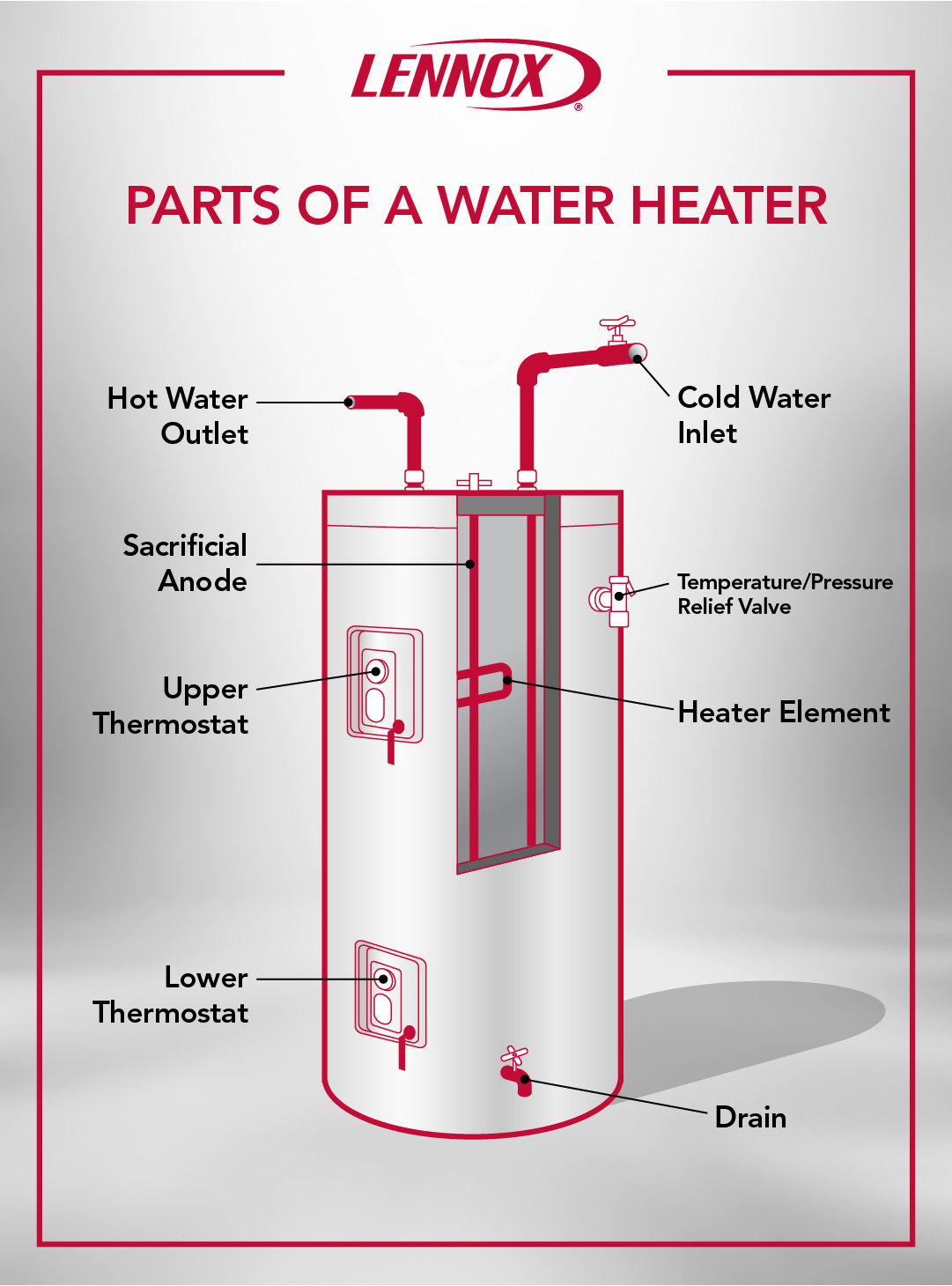
At its core, a water heater uses a heating element or burner to raise the temperature of cold water. Depending on the type, it either stores that hot water in an insulated tank or heats it instantly as it flows through the unit. Built-in safety features monitor temperature and pressure to prevent overheating or dangerous pressure buildup, keeping your home safe while delivering the hot water you need.
Types of Water Heaters
Water heaters aren't one-size-fits-all. Each type offers different benefits depending on your home's layout, your energy goals, and how much hot water your household uses. Here's what you need to know about the most common options.
Storage Tank Water Heaters
This is the traditional water heater you're probably most familiar with. It features an insulated tank that holds anywhere from 30 to 80 gallons of hot water, keeping it warm and ready to use. When you turn on the hot water tap, the heater refills with cold water and heats it back up to your set temperature. Storage tank heaters are popular because they cost less upfront and are straightforward to install.
Heat Pump Water Heaters (Hybrid Water Heaters)
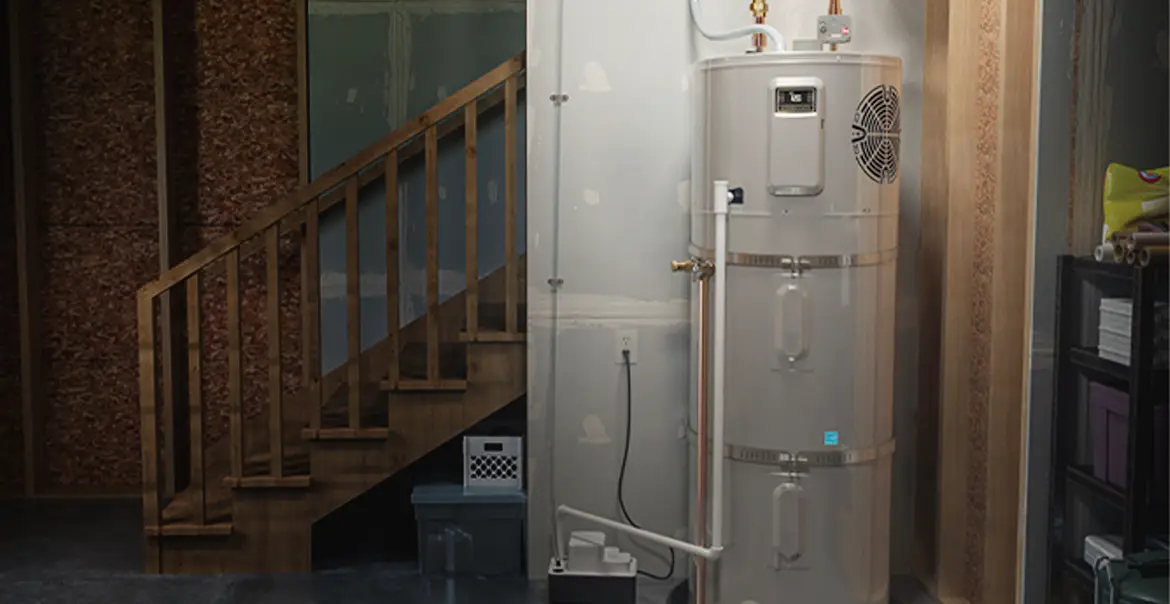
Heat pump water heaters work a bit like a refrigerator in reverse. Instead of generating heat directly, they pull warmth from the air or ground around them and transfer it to the water. This makes them incredibly efficient, using about 60% less electricity than standard electric water heaters. Heat pump water heaters need to be installed in a space that stays between 40°F and 90°F year-round, so if you live in a temperate climate and have the right installation spot, a heat pump water heater can deliver serious energy savings.
What Powers a Water Heater?
Water heaters can run on different energy sources, and the one you choose affects both your operating costs and your home's energy footprint.
- Electric: Clean, quiet, and easy to install. Electric water heaters are common in homes without natural gas lines.
- Natural Gas or Propane: Typically heat water faster and cost less to operate than electric models, though installation can be more complex.
- Heat Pump: Pulls heat from the surrounding air, using minimal electricity to transfer warmth to your water.
Understanding Water Heater Efficiency
When shopping for a water heater, you'll see something called an Uniform Energy Factor (UEF) rating. This number tells you how efficiently the unit converts energy into hot water. The higher the UEF, the more efficient the water heater, and the lower your energy bills.
Modern water heaters come with features that boost efficiency, such as thick insulation to reduce heat loss, advanced heating elements, and recirculating pumps that keep hot water circulating through your home without waste.
Keeping Your Water Heater in Top Shape
Regular maintenance extends the life of your water heater and keeps it running efficiently. Here's what to keep an eye on:
Flush the Tank
Sediment builds up at the bottom of storage tanks over time, reducing efficiency and shortening the unit's lifespan. Draining the tank once a year clears out the buildup and keeps your heater working like new.
Check the Anode Rod
This steel rod coated in magnesium or aluminum sacrifices itself to corrosion, protecting your tank from rust. When it's worn down, replace it to keep your tank from corroding from the inside out.
Adjust the Thermostat
Take a look to make sure your water heater temperature isn’t set too high. 125°F is hot enough for most households and saves energy. Lower temperatures also reduce the risk of scalding.
Fix Leaks Fast
A leaking water heater can lose gallons of water every day, driving up your utility bills and potentially causing water damage to your home. Check the connections, valves, and tank regularly for signs of moisture or pooling water.
Insulate Older Tanks
If your water heater is more than a few years old, wrapping it in an insulation jacket can cut standby heat loss considerably. This simple upgrade keeps the water hotter for longer, so your heater doesn't have to work as hard.
Safety First: What to Watch For
Water heaters are generally safe, but like any appliance, they need proper care and attention. Common safety concerns include overheating, leaks, and excessive pressure buildup.
Most modern water heaters come with a temperature-pressure relief (TPR) valve that automatically releases water if the pressure or temperature gets too high. Test this valve once a year to make sure it's working properly. And if you ever see water pooling around your heater or notice the pilot light going out repeatedly, call a professional right away.
Other potential red flags include:
- Strange noises like popping or rumbling
- Water takes longer to heat up
- Inconsistent water temperature
- Visible leaks or rust around the tank
- Discolored or foul-smelling water
If you notice any of these issues, call a qualified technician. Catching problems early can save you from a costly emergency replacement.
Choosing the Right Water Heater for Your Home
Getting the Size Right
Size matters. A water heater that's too small leaves you with cold showers during peak usage times. One that's too large wastes energy heating water you don't need. Work with a qualified technician to calculate your peak hour demand, or the maximum amount of hot water your household uses during its busiest time. This ensures you get a unit that's the right size.
Balancing Cost and Value
Yes, budget matters. But don't just look at the price tag. A cheaper water heater might cost you more in energy bills over its lifetime. Think about the total cost of ownership: purchase price, installation, and operating costs. A more efficient model might cost more upfront, but the energy savings can pay for the difference in just a few years.
Additional Factors to Consider
- Energy source availability: Do you have access to natural gas, or will you need an electric model?
- Energy efficiency goals: Higher efficiency costs more upfront but saves money over time.
Keep Your House Running Smoothly and Your Water Running Hot
Your water heater might not be the flashiest appliance in your home, but it's one of the hardest-working. Understanding how it works, what type fits your needs, and how to keep it running efficiently helps you make smarter decisions, whether you're buying your first unit or upgrading to something more efficient.
The right water heater delivers reliable hot water, lowers your energy bills, and gives you one less thing to worry about. And when you choose an energy-efficient model, you're not just improving your own comfort, you're reducing your home's carbon footprint, too.
Ready to find the perfect water heater for your home? Explore Lennox’ portfolio today. Because when it comes to your home's comfort, you deserve hot water that's always there when you need it.
We’re here to help make home comfort solutions a little clearer and a lot less stressful.
No Worries. It’s a Lennox.™