
Identifying Common Water Heater Smells
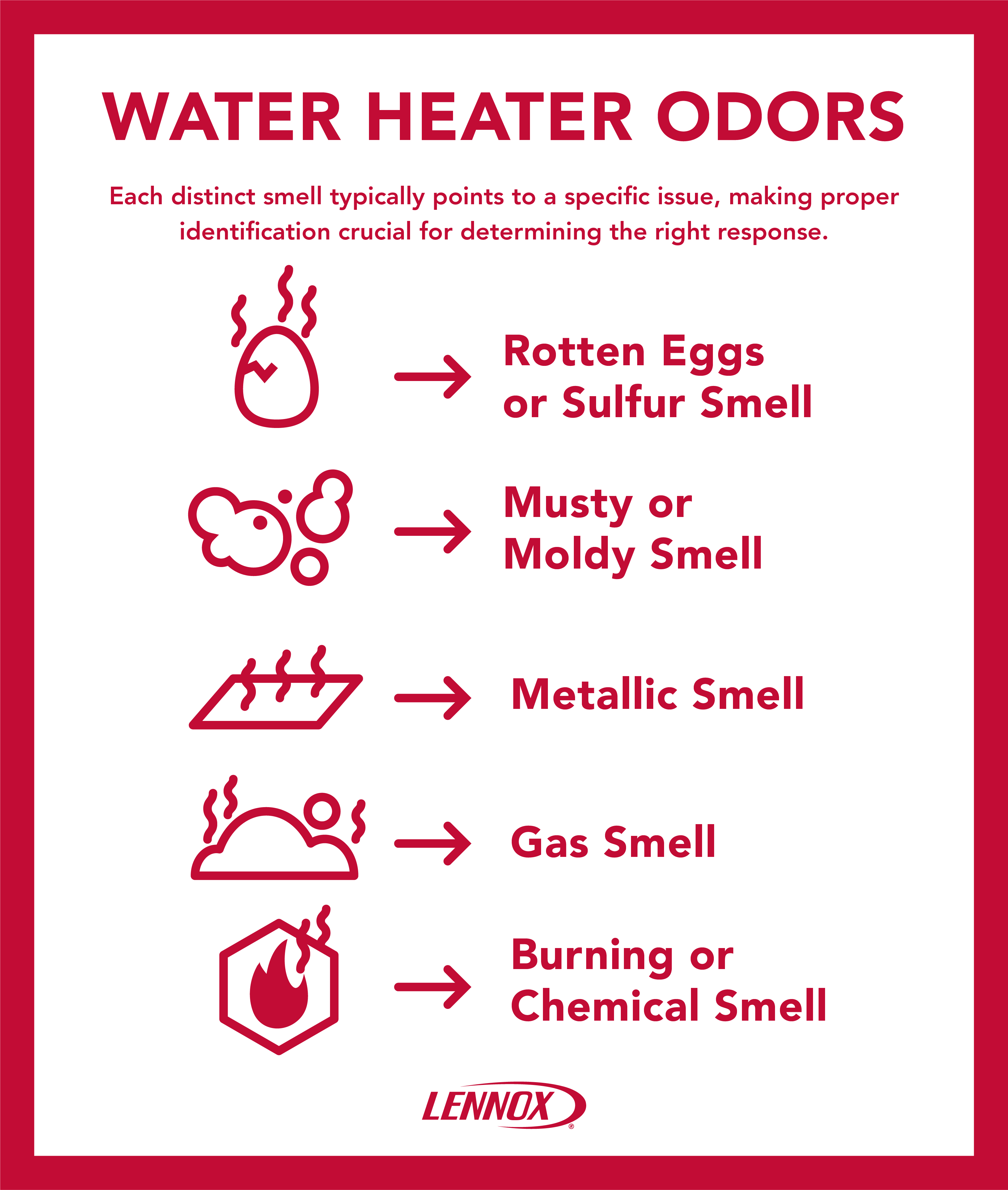
Your nose knows when something's off with your water heater. Whether it's bacteria thriving in your tank, sediment buildup, or a more serious safety issue, different odors point to different problems, so learning to identify what you're smelling helps you figure out the right next step and how quickly you need to act.
- Rotten Eggs or Sulfur Smell
That unmistakable rotten egg stench? It's the number one complaint from homeowners, and it's caused by hydrogen sulfide building up in your tank. Bacteria that feed on sulfates in your water produce this gas, especially when your water sits unused for a while.
Here's the silver lining: while it smells awful, it's usually harmless. Just unpleasant enough to make you want to fix it fast.
- Musty or Moldy Smell
When your water heater area smells like a damp basement, you're likely dealing with excess moisture. High humidity creates the perfect breeding ground for mold and mildew around your unit. Take a look around; you might spot visible mold or feel dampness near the tank.
- Metallic Smell
Notice a metallic tang in your hot water? That's often your tank or pipes telling you they're corroding from the inside. You might also see rusty or discolored water coming from your taps; a clear sign that metal components are breaking down and affecting your water quality.
- Gas Smell
This one's serious. Natural gas gets treated with mercaptan, a chemical that creates a sharp, distinctive odor (think rotten eggs meets industrial chemicals). Never brush off a gas smell. It signals a potential leak that puts your home at risk.
If you smell gas near your water heater, act fast: turn off the gas supply, open windows to ventilate, get everyone out of the house, and call your gas company right away.
- Burning or Chemical Smell
Smelling something like burning plastic or harsh chemicals? Your water heater's electrical system is likely struggling. Overheating parts, frayed wiring, or failing heating elements all produce these acrid odors and require a professional's attention before the problem worsens.
How to Tell the Difference Between Hot and Cold Water Smells
Here's a quick test: run your hot and cold taps separately for a few minutes. Smell only coming from the hot water? Your water heater's the culprit. Both hot and cold water smell funky? The problem's probably in your main water line or plumbing system, not the heater itself.
Common Causes of Water Heater Odors
Pinpointing why your water heater smells puts you in control. From bacteria doing what bacteria do best to worn-out parts sending up warning signals, here's what's really happening inside your tank.
- Bacterial Growth and Water Quality
Bacteria are behind most water heater smell complaints. Specifically, sulfate-reducing bacteria that love the warm, low-oxygen environment inside your tank. They feast on sulfates already present in your water and release hydrogen sulfide gas (that rotten egg smell) as waste.
The problem gets worse when your tank temperature dips below 140°F. That's when these bacteria really multiply and get to work.
- Sediment Buildup
Think of sediment as the sludge that nobody wants, but everyone gets. Minerals, sand, and other debris slowly settle at the bottom of your tank over months and years. This crusty layer does two bad things: it insulates the bottom of your tank (making your heater work harder), and it gives bacteria even more surface area to colonize.
The fix? Flush your tank once a year to wash away sediment before it becomes a bigger problem.
- Anode Rods
Anode rods are the unsung heroes protecting your tank from rust. They're designed to corrode so your tank doesn't have to. But here's the catch: as these metal rods break down, they can interact with sulfates in your water and actually speed up hydrogen sulfide production.
Magnesium anode rods are especially prone to triggering this reaction, which is why some homeowners switch to aluminum or powered anode rods when odors become chronic.
- Electrical Problems
When heating elements overheat or wiring fails, you'll smell it. Protective coatings on elements can burn off, creating sharp, acrid odors. Damaged wiring gives off that unmistakable burning plastic smell. Either way, these electrical issues need professional eyes and hands right away.
- Temperature Fluctuations
Your water heater's temperature isn't just about comfort. It's about control. Let the temperature drop too low, and bacteria multiply like crazy. Crank it too high, and mineral deposits begin to break down faster, releasing trapped gases into your water.
Keeping your temperature in that sweet spot between 120-140°F helps keep odors in check.
How Homeowners Can Troubleshoot Safely?
You don't always need to call a pro right away. There are a few safe checks you can do yourself to figure out what's going on with your water heater.
- Identify the Source
Start by playing detective with your taps. Run hot water at one fixture for a few minutes, then do the same with cold water. Notice which one smells and how strong it is. Then repeat this test at different sinks and showers around your house.
This tells you whether the odor is coming from your water heater specifically or from your broader plumbing system.
- Inspect the Area Around the Unit
Give your water heater, and the space around it, a good look. You're checking for water puddles, rust spots, or any unusual wetness. Scan the gas lines, electrical connections, and the tank itself for visible damage.
- Flush the Water Heater
Here's how: turn off the power (or switch gas units to pilot mode), then wait several hours for the water to cool down. Attach a garden hose to the drain valve and let the water run until you've flushed out several tanks' worth of water. This clears out the gunk and stale water sitting at the bottom.
- Adjust Water Temperature Settings
Bumping your water heater up to 140°F kills off the bacteria behind those sulfur smells. But there's a tradeoff: water that hot can scald skin in seconds, especially for kids and older adults.
If you go this route, consider adding mixing valves to your faucets and showerheads. They blend hot and cold water to deliver safe temperatures at the tap while your tank stays hot enough to keep bacteria at bay.
Keep in mind these steps only work for minor issues. If smells stick around, if you detect gas, or if anything feels unsafe, it's time to bring in a qualified technician.
When to Call a Professional?
Some water heater smells mean it's time to step back and let the experts take over. Knowing when to make that call protects your family and saves you from turning a fixable problem into an expensive one.
- Persistent or Strong Odors
Tried the basic fixes, and the smell keeps coming back? That's your cue to bring in a pro. Stubborn sulfur odors often indicate bacterial contamination that's entrenched and requires specialized treatment to eliminate.
Professional technicians come equipped with tools you don't have at home: water testing kits, thermal imaging cameras to spot hot spots, and gas detection instruments to track down leaks. They can diagnose what's really going on and fix it right the first time.
- Gas-Related Odors or Air Quality Issues
Gas smells are never a DIY situation. Natural gas leaks can lead to explosions or carbon monoxide poisoning, and those risks demand professional handling every single time.
If you smell gas, take action immediately. Shut off the gas supply if you can do it safely, open windows and doors, get everyone out of the house, and call your gas company. Don't wait, don't investigate further, just get help.
- Older or Poorly Maintained Units
When your water heater is getting up there in years and starts smelling funky, it's time for a professional evaluation. Older units can have multiple issues at once, including corroded parts, weakened tanks, or outdated safety features that complicate odor problems.
The 2025 American Home Comfort Study found that 19% of homeowners replace their water heaters after a complete breakdown, while 16% replace aging units before they fail. A professional can assess whether your system needs a repair or if replacement makes more financial sense in the long run.
How to Prevent Water Heater Smells?
The best way to deal with water heater odors? Stop them before they start. A little proactive care goes a long way toward keeping your system running clean, efficient, and odor-free for years.
- Schedule Regular Maintenance
Professional maintenance is your strongest defense against water heater smell problems. When a technician comes out for a service visit, they check every component, test your water quality, and make adjustments to keep everything running smoothly.
What gets done during these visits? Anode rod inspections and replacements, sediment flushing, temperature and pressure relief valve testing, and electrical connection checks.
- Address Leaks Quickly
Even a small leak creates the damp conditions bacteria love. Make it a habit to check your water heater monthly for any signs of trouble: water stains, crusty mineral buildup, or moisture where it shouldn't be. Catch leaks early, and you'll prevent bigger odor issues down the road.
- Ventilate Around the Unit
Good airflow keeps moisture levels in check and prevents that stale, stagnant air that makes odors worse. Make sure there's adequate space around your water heater according to the manufacturer's specifications, and clear away any boxes, tools, or clutter that might block air circulation.
- Maintain Appropriate Temperature
The sweet spot for your water heater is between 120°F and 140°F. This range keeps bacteria from multiplying while reducing the risk of scalding. Drop below 120°F, and you're inviting bacteria to set up shop. Crank it too high, and you're wasting energy while creating a safety hazard.
- Monitor Your Water Quality
Pay attention to what's coming out of your taps. Changes in taste, smell, or appearance can signal problems in your system. If you live in an area with known water quality issues, consider adding a water treatment system to tackle problems at the source before they affect your water heater.
Frequently Asked Questions
Is it normal for water heaters to smell?
No, water heaters shouldn't produce noticeable odors during normal operation. Any smell indicates an issue that needs attention, whether it's bacterial growth, sediment buildup, or mechanical problems.
Is it safe to run a heater that smells like it’s burning?
No. A burning smell suggests electrical problems or overheating components. Turn off your water heater and contact a professional immediately to prevent potential fire hazards.
How do I stop my water tank from smelling?
Start by flushing your tank to remove sediment, increase the temperature to 140°F to kill bacteria, and ensure proper ventilation. If the smell persists, contact a professional for a comprehensive diagnosis and treatment.
Keep Your Home Comfortable and Odor-Free
Water heater smells are never just annoying. They're warning signs pointing to real issues that need your attention, whether it's bacteria multiplying in your tank or a gas leak that puts your family at risk.
Some problems you can handle yourself by performing a tank flush or adjusting the temperature. But when odors won't quit or smell particularly strong, that's when you need a professional to take a closer look. The smartest approach? Don't wait for smells to show up in the first place. Stay on top of regular maintenance, fix leaks as soon as you spot them, and keep air flowing around your unit. These simple habits stop bacteria from taking hold and keep your system from breaking down prematurely.
And here's the golden rule: if you're not sure what you're dealing with, especially when gas odors or safety issues are involved, call in the pros. Staying alert to changes in your water heater's smell and keeping up with routine care means your family gets reliable hot water without worry.
Ready to address your water heater concerns? Explore our products and find a local Lennox dealer who can provide expert diagnosis, maintenance, and solutions tailored to your home's needs.
We’re here to help make home comfort solutions a little clearer and a lot less stressful.
No Worries. It’s a Lennox.™