
Knowing how to turn off your water heater is one of those home skills that doesn't get much attention until you really need it. Whether you're heading out of town, scheduling routine maintenance, or dealing with an unexpected leak, being able to shut things down quickly and safely can protect your home and your peace of mind. Gas and electric water heaters each follow a slightly different process, and knowing how to turn off your model before a problem arises puts you in control when it matters most. This guide walks you through everything you need to know, from recognizing the right moment to act to completing each step with confidence.
When to Turn Off Your Water Heater?
Your water heater works quietly in the background every day, so it's easy to overlook the moments when it's telling you something is wrong. Knowing what to watch for, and when to act, can prevent a small issue from turning into a costly repair.
Signs That Indicate the Need to Shut Off the Water Heater
Several warning signs point to the need for an immediate or scheduled shutdown:
Unusual sounds like knocking, popping, or rumbling coming from the tank often signal sediment buildup at the bottom of the unit, which forces the heater to work harder and can eventually cause damage.
Inconsistent hot water, visible rust or discoloration at the tap, or moisture pooling around the base of the unit are all reasons to shut things down and take a closer look.
A strong smell of gas near a gas water heater is a situation that calls for immediate action: shut off the gas supply, leave the area, and contact a professional right away.
Noticeable water leaking from the tank itself, not just a fitting or connection, is another scenario where shutting off the unit without delay is the right call.
Scheduled Maintenance and Safety Checks
Routine upkeep is just as valid a reason to power down your water heater as an emergency. Draining the tank annually to flush out sediment buildup is a standard maintenance task that keeps your unit running efficiently over time. Any time you plan to inspect internal components or have a technician service the unit, the heater needs to be off first. Building that habit into your regular home maintenance schedule keeps both you and your equipment safer.
Safety Precautions Before Turning Off a Water Heater
Before you touch anything on the unit, a few safety steps are non-negotiable.
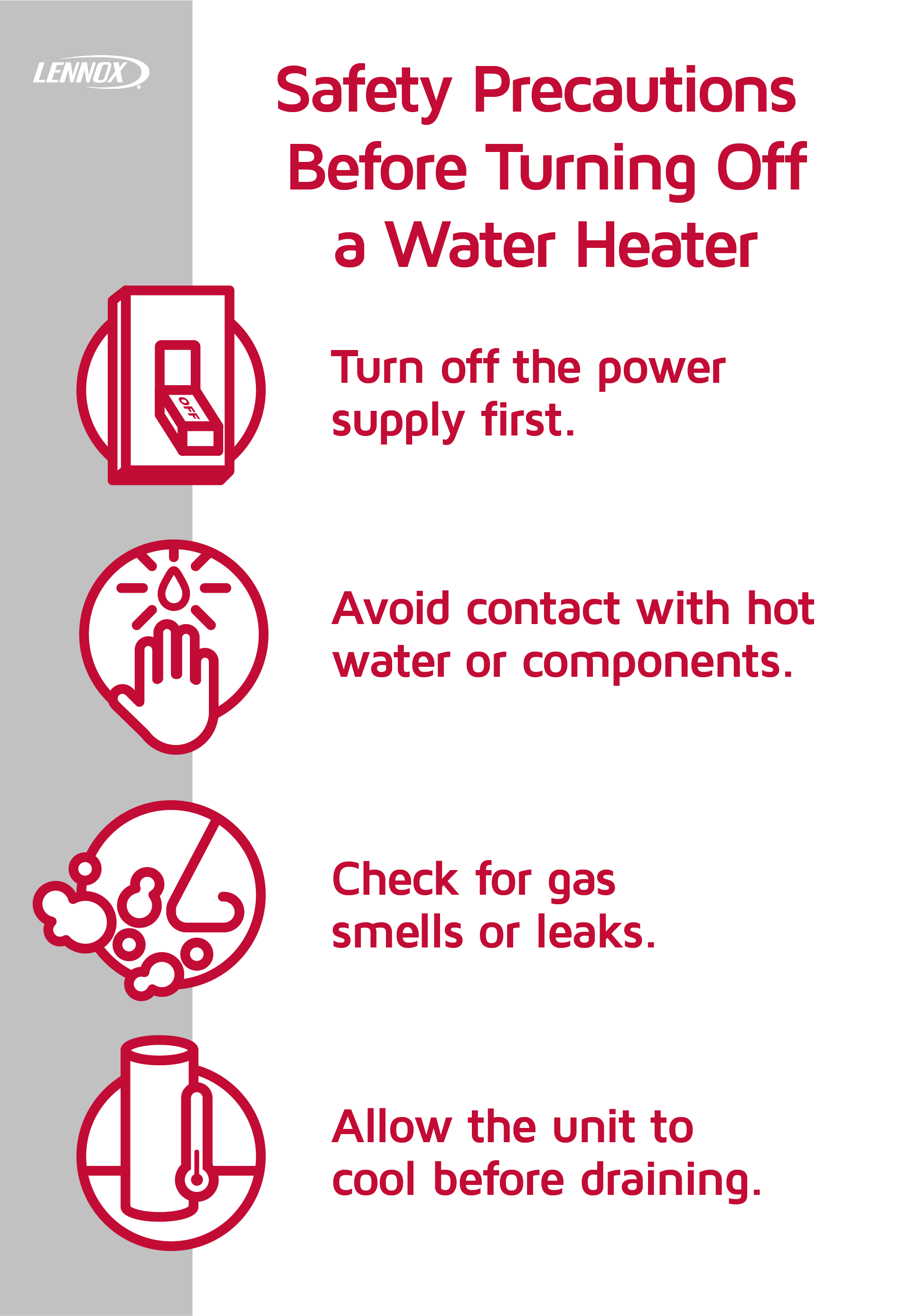
Turn off the power supply first: For electric units, locate the dedicated breaker in your electrical panel and switch it off. For gas units, make sure the gas valve is fully in the "Off" position before proceeding.
Avoid contact with hot water or components: Water inside the tank can exceed 120°F. To avoid scalding, give the unit adequate time to cool before you come into contact with any part of it.
Check for gas smells or leaks: Before and during any shutdown process, inspect the area around the unit for the smell of gas or visible water. If you detect gas, do not attempt to proceed on your own. Exit the space and call a professional immediately.
Allow the unit to cool before draining: This step is easy to overlook but critical. Draining a tank that is still hot can cause burns and may damage components. Patience here protects both you and the unit.
Identify Your Water Heater Type
The shutdown process depends entirely on what type of water heater you have, so identifying yours is the logical first step.
Gas vs. Electric: What to Look For
Gas water heaters have a visible thermostat dial near the base of the unit, a gas supply line running to it, and a pilot light or electronic ignition system. Electric water heaters connect directly to your home's electrical panel through a dedicated circuit and do not have a gas line or pilot light. If you're unsure, check the label on the side of the unit or consult your owner's manual, which will confirm the fuel type and model specifications.
Why the Shutdown Steps Differ
Gas units require you to cut off the fuel source to stop combustion, while electric units require you to interrupt the electrical current powering the heating elements. Skipping or reversing these steps can create safety hazards specific to each type, which is why knowing your unit before you start matters.
Step-by-Step Guide to Turning Off a Gas Water Heater
Locate the thermostat dial. It sits near the bottom of the tank. Turn it to the "Pilot" setting first, which keeps the pilot light on without actively heating water, or turn it all the way to "Off" if you are shutting down for an extended period or for maintenance.
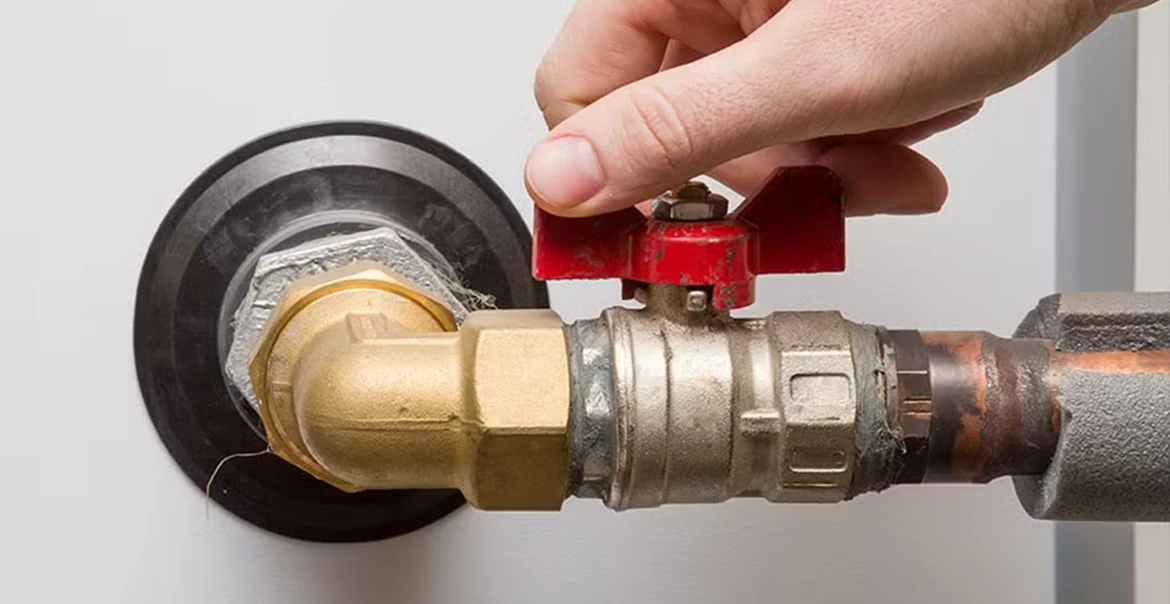
Close the gas supply valve. Find the gas line running to the unit and turn the valve so it sits perpendicular to the pipe. That position means the gas is off.
Shut off the cold water supply. Turn the cold water inlet valve, located on the pipe above the unit (in top connect models), clockwise until it stops. This prevents fresh water from entering the tank.
Allow the unit to cool completely before performing any further inspection or maintenance.
Step-by-Step Guide to Turning Off an Electric Water Heater
Find the dedicated breaker. Go to your home's electrical panel and look for the breaker labeled "Water Heater." If breakers are not labeled, consult your owner's manual or check with a licensed electrician to identify the correct one.
Switch the breaker to "Off." Flip it firmly to the off position.
Shut off the cold water supply. Turn the cold water inlet valve clockwise to stop water from entering the tank.
Wait for the unit to cool before draining or servicing. This is especially important for electric units, as the heating elements can be damaged if they are exposed to air while still energized or hot.
Common Mistakes to Avoid
Turning off the water but not the power. Shutting off the water supply without cutting power to an electric unit can cause the heating elements to burn out, since they are designed to operate submerged. Always cut the power first.
Draining the tank before powering down. Same principle: an electric water heater should never be drained while the breaker is still on.
Forgetting to relight the pilot on gas units. When you're ready to bring a gas water heater back online, relighting the pilot is required. Follow the instructions printed on the unit's label carefully.
Skipping safety checks before restarting. Before turning any unit back on, inspect connections, check for leaks, and confirm the tank is full of water to avoid dry-firing the heating elements.
When to Call a Professional?
Some situations go beyond what a homeowner should handle on their own. Reach out to a qualified technician if you encounter any of the following:
A persistent gas smell or suspected gas leak. Gas leaks carry serious safety risks and require immediate professional attention.
Water is leaking directly from the tank. A leaking tank often signals internal corrosion or a failing component that a professional needs to assess.
Electrical issues or a breaker that keeps tripping. A breaker that won't stay on after being reset points to an underlying electrical problem that a licensed electrician or HVAC professional should diagnose.
Banging, popping, or rumbling that doesn't resolve. Persistent sounds after a flush and maintenance check can indicate internal damage that routine upkeep won't fix.
Take Control of Your Heating Systems
Whether you're shutting things down for a weekend trip, scheduling a flush, or dealing with an unexpected issue, following the right steps for your unit type keeps your home protected and your system in good shape for the long run. And when something feels beyond your comfort level, connecting with a trusted professional is always the smart move. Lennox is here to help you feel at home, every single day.
We’re here to help make home comfort solutions a little clearer and a lot less stressful.
No Worries. It’s a Lennox.™