
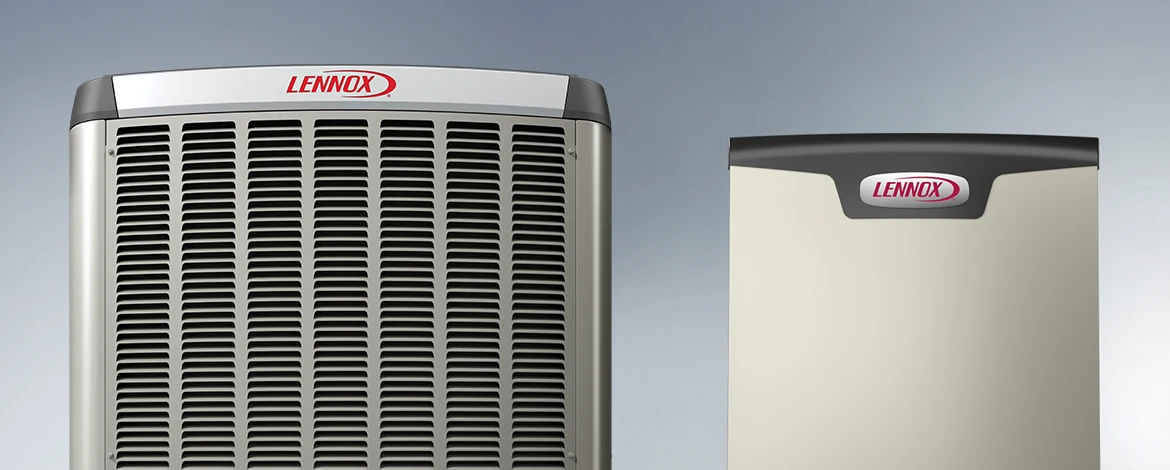
Choosing a home heating system is a major decision that affects comfort, energy use, and long-term costs. Two of the most common options homeowners compare are heat pumps and furnaces. While both are designed to keep homes warm, they operate in very different ways and perform best under different conditions. Let's break down those differences to determine which option is the right fit for you.
Understanding Heat Pumps
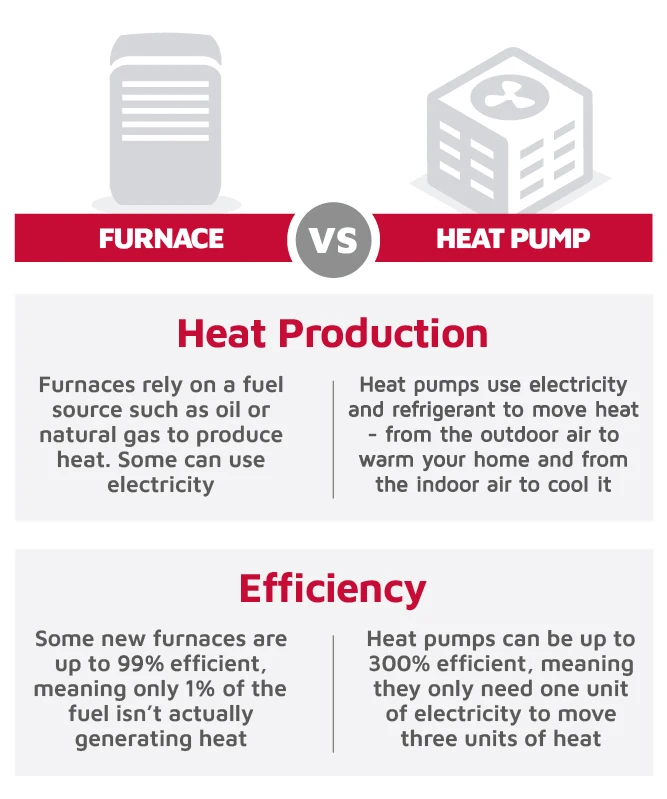
Heat pumps do not generate heat in the traditional sense. Instead, they move heat from one place to another using electricity and refrigerant. During colder months, a heat pump extracts heat from the outdoor air, even when temperatures are low, and transfers it indoors. In warmer months, the process reverses, allowing the same system to provide cooling.
Compared to systems that generate heat, like traditional furnaces, heat pumps are highly energy efficient and make particularly smart use of electricity. While furnaces can never be more than 100% efficient by design, because heat pumps move heat rather than generate it, they typically have a coefficient of performance (COP) between 2 and 5. For example, a heat pump with a COP of 4 delivers 4 kW of heat for every 1 kW of electricity it consumes. This efficiency can translate to lower operating costs in appropriate climates.
There are several types of heat pumps:
- Air-source heat pumps, the most common type, work well in many regions but may experience reduced heating output when temperatures drop to extreme cold
- Ground-source or geothermal heat pumps, which draw heat from the ground and offer excellent efficiency, but require the right amount of outdoor space and a higher upfront investment
- Ductless mini-split heat pumps, another type of air-source heat pump, provide flexibility for homes without ductwork or for conditioning specific areas
Understanding Furnaces
Furnaces generate heat by burning fuel or using electric resistance heating, then distribute warm air through ductwork. While they are widely used across the country as a reliable, legacy source of heating homes, they are generally less efficient and environmentally friendly than many modern alternatives. Unlike heat pumps, which can achieve coefficients of performance (COP) between 2 and 5, furnaces operate with a COP of 1.
- Gas furnaces are the most common type across North America. They burn natural gas or propane (LP) to produce heat and are valued for their reliability and ability to maintain comfort during extended cold periods.
- Electric furnaces use electric resistance heating to warm the air. They can be a practical solution in areas without access to gas service or where electricity costs are relatively low. Because their COP is lower than that of heat pumps, they are often paired with air-source heat pumps to improve overall efficiency.
Key Differences Between Heat Pumps and Furnaces
One of the most significant differences between these systems is energy efficiency. Furnaces, measured by Annual Fuel Utilization Efficiency (AFUE), convert fuel into heat. High-efficiency furnaces can even reach AFUE ratings of 97 percent or higher. However, since heat pumps move heat rather than create it, they will always be more efficient than furnaces by design.
Outdoor temperatures play a major role in system performance. Heat pumps perform best in areas with milder winters. In extremely cold temperatures, furnaces often provide more consistent heating since they are creating heat rather than trying to move it. Some homeowners choose a dual-fuel system that pairs a heat pump with a furnace, allowing the system to switch based on outdoor conditions.
Comfort delivery also differs. Furnaces supply air at higher discharge temperatures, while heat pumps tend to deliver air at lower discharge temperatures in longer, gentler heating cycles, helping maintain consistent comfort.
Environmental Impact and Sustainability
Heat pumps are widely recognized for their lower environmental impact. Because they rely primarily on electricity and do not burn fuel on site, they produce fewer direct emissions. As electric grids incorporate more renewable energy, the environmental benefits of heat pumps continue to grow.
Furnaces that burn fossil fuels produce combustion emissions. However, high-efficiency gas furnaces use fuel more effectively than older models, reducing overall energy waste. Sustainability considerations often depend on local energy sources and utility infrastructure, while regulations across North America continue to drive up efficiency requirements on gas furnaces.
Maintenance and Longevity
Both systems require regular maintenance to operate efficiently. Heat pumps need coil cleaning and refrigerant system checks. Furnaces require annual inspections, sensor cleaning, filter replacements, and component checks.
Heat pumps typically last around 10 to 15 years, while furnaces often last 15 to 20 years with proper care. Signs that replacement may be needed include frequent repairs, uneven heating, rising energy bills, or unusual noises.
Dual-Fuel Systems: The Best of Both Worlds
Some homeowners choose to pair a gas furnace with an electric heat pump to create a dual-fuel system that alternates between the two fuel sources to maximize comfort and efficiency.
In mild temperatures, the outdoor heat pump delivers efficient, cost-effective heating, using the indoor furnace’s blower to distribute the air throughout the home. When temperatures rise, the heat pump works like a high-efficiency central air conditioner. As colder temperatures set in, the system transitions to the gas furnace for reliable heating. The outdoor temperature at which the system changes from electric heat to gas heat is selected during installation based on climate and the homeowner’s utility preferences.
For homes in four-season climates, or in regions where historically the cost of one utility or the other is particularly high or low, a dual-fuel system can give you the flexibility to tighten your overall utility expenses.
Choosing the Right System for Your Home
Selecting between a heat pump and a furnace depends on several factors, including but not limited to:
- Energy costs and fuel availability
- Existing ductwork and home insulation
- Environmental goals and long-term efficiency priorities
A professional HVAC assessment can help evaluate your home’s heating needs and determine which system provides the best balance of cost, comfort, efficiency, and reliability.
Choosing the right heating system is not about finding a single “better” option, but about matching the technology to your environment and lifestyle. With a clear understanding of how heat pumps and furnaces differ, you can make confident decisions that support comfort and efficiency for years to come.
We’re here to help make home comfort solutions a little clearer and a lot less stressful.
No Worries. It’s a Lennox.™