
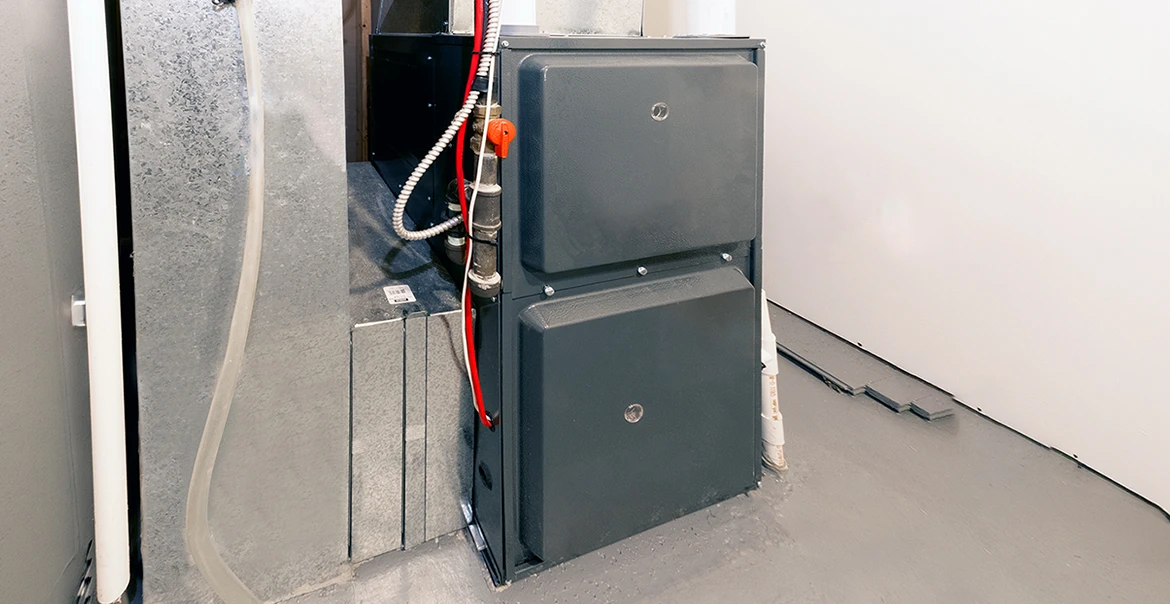
What You Need to Know About Electric Furnaces?
Heating your home should feel effortless. You set the temperature, and the rest just happens. Electric furnaces make that possible by delivering consistent, whole-home warmth with higher efficiency and lower fossil fuel emissions. As more homeowners look for cleaner, simpler ways to stay comfortable, electric furnaces have become an increasingly popular choice. Whether you're replacing an aging system or exploring your options for the first time, this guide walks you through everything you need to know, from how electric furnaces work to what it takes to keep one running at its best.
What is an Electric Furnace?
An electric furnace connects directly to your home's electrical panel and draws power on demand. When the temperature in your home dips below your thermostat setting, the system activates and begins pulling in cool air from your living spaces. That air passes over a series of resistance-heating coils, heats up, and is then pushed back out through your ductwork to every room in the house.
The Role of Heating Elements and the Blower Motor
The electric resistance coils in an electric furnace work much like those in a toaster. When electricity runs through them, they heat up quickly and transfer that warmth to the surrounding air. The blower motor then takes over, driving that heated air through your home's ductwork so it reaches every corner evenly and efficiently. No combustion, no exhaust, no fuel lines required.
Thermostats and Smart Controls
Your thermostat is the brain of the operation. A smart, energy-certified thermostat precisely monitors your home's temperature and tells the furnace exactly when to ramp up, scale back, or shut off entirely. That kind of precision doesn't just keep you comfortable. It also prevents the system from running longer than necessary, which helps manage energy use over time.
Efficiency and What It Actually Means for You
Electric furnaces convert nearly all of the electricity they consume directly into usable heat, with efficiency ratings near 100%. That means very little energy is lost in the process. It's worth noting, though, that overall operating costs depend on local electricity rates. In areas where electricity costs more than natural gas, monthly bills may run higher even with a highly efficient system. Your Lennox dealer can help you weigh those factors against your home's specific needs and local utility rates to make the most informed decision possible.
How an Electric Furnace Compares to Other Heating Systems?
Choosing a heating system is a big decision, and context matters. Here's how electric furnaces stack up:
VS Gas Furnaces: Gas furnaces can have lower monthly operating costs in regions where natural gas is inexpensive, but they involve combustion, which requires proper ventilation and carries a risk of carbon monoxide. Electric furnaces eliminate that risk entirely since they don't have any fossil fuel emissions. They are also a great solution for homes with little to no access to gas and for homeowners looking for an alternative to propane.
VS Oil Furnaces: Oil furnaces can produce significant heat output, but they require on-site fuel storage and tend to produce higher emissions. Electric furnaces offer a cleaner, simpler alternative with no storage requirements.
VS Heat Pumps: Compared to electric furnaces, heat pumps can both heat and cool your home. While both run on electricity, heat pumps transfer heat from the outside air (or ground) into your home to provide heating, and reverse the process to provide cooling. Homeowners can also pair an electric furnace with a heat pump to get the best of both worlds, using the heat pump for more efficient heating in milder weather and the electric furnace for supplemental heating when temperatures significantly drop.
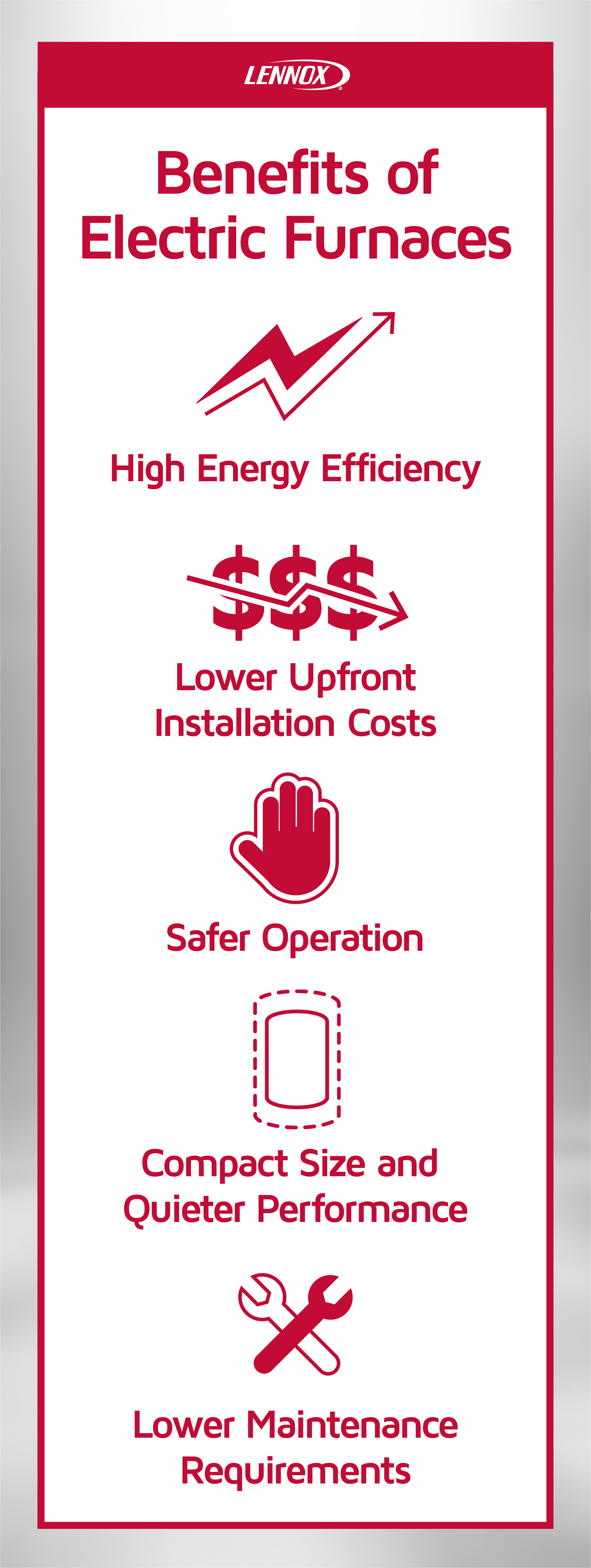
Benefits of Electric Furnaces
High Energy Efficiency
Electric furnaces convert nearly all of the electricity they consume directly into heat, with efficiency ratings reaching nearly 100%. That means very little energy is wasted, which is good for your comfort and for the planet.
Lower Upfront Installation Costs
Because electric furnaces don't require gas lines, fuel storage tanks, or complex exhaust venting systems, the initial installation is typically more straightforward and less expensive than gas or oil alternatives.
Safer Operation
Without combustion, there are no harmful gases to worry about. Electric furnaces don't produce carbon monoxide, don't require fuel storage, and carry none of the risks associated with burning fossil fuels. For families who prioritize a safer indoor environment, that peace of mind is significant.
Compact Size and Quieter Performance
Fewer moving parts means less noise and a smaller footprint. Electric furnaces tend to operate quietly and fit into tighter spaces, making them a practical choice for homes where space is at a premium.
Lower Maintenance Requirements
With no burners, heat exchangers, or combustion components to service, electric furnaces generally require less routine maintenance than gas or oil systems. That translates to fewer service calls and more time simply enjoying a comfortable home.
Electric Furnace Installation
When it comes to installation, the right professional makes all the difference. A licensed HVAC dealer handles every step of the process, from sizing the system correctly to confirming your home's electrical panel can support the load.
Proper Sizing
Getting the size right is critical. A furnace that's too small won't keep up on the coldest days. One that's too large will cycle on and off too frequently, wearing itself out faster and leaving your home feeling less comfortable. Your dealer will evaluate your home's square footage, insulation levels, and heating needs to recommend the right capacity.
Electrical Requirements
Electric furnaces draw significant power, so your home's electrical service needs to be up to the task. Your technician will assess your panel capacity and make sure everything meets current safety codes before the system goes in.
Installation Timeline
In most cases, a professional installation takes one or two days. The timeline can vary depending on the complexity of your existing ductwork and how ready your home is for the new system.
Electric Furnace Maintenance
Keeping your electric furnace in top shape doesn't require a lot of effort, but a few consistent habits go a long way.
Routine Maintenance Checklist
Filter Replacement: Changing your filter on a regular schedule is one of the simplest and most impactful things you can do. A clean filter keeps airflow strong and helps the system run efficiently. Depending on your home and filter type, that might mean replacing it every one to three months.
Inspecting Heating Elements and Wiring: Over time, heating elements can wear and electrical connections can loosen. A professional inspection catches these issues before they become bigger problems.
Annual Professional Servicing: Schedule a yearly tune-up with a licensed technician. They'll clean the components, test the controls, check the wiring, and make sure everything is operating safely and efficiently.
Signs Your Furnace Needs Attention
If you notice unusual sounds coming from your system, rooms that aren't reaching the right temperature, or a furnace that's cycling more than it should, don't wait. Those are signals that something needs a closer look. Catching issues early keeps repair costs down and your home comfortable all season long.
Choosing the Right Electric Furnace for Your Home
Key Factors to Consider
Matching the right furnace to your home means looking at more than just price. Consider the size and layout of your home, your local climate, the efficiency rating of the unit, and any smart features that might make day-to-day comfort easier to manage.
Calculating Your Home's Heating Needs
Your dealer will perform a load calculation to determine exactly how much heating capacity your home requires. This accounts for your square footage, ceiling height, insulation quality, window placement, and more. Getting this right from the start ensures your system performs the way it should for years to come.
Climate Considerations
Electric furnaces perform exceptionally well in moderate to mild climates where temperatures don't regularly drop to extreme lows. In colder regions, your dealer may recommend pairing an electric furnace with a supplemental heating system, such as a heat pump, to keep your home warm even on the harshest days.
Time to Upgrade?
An electric furnace is a safe, efficient, and reliable way to heat your home, especially if you're in a moderate climate and want a system that's straightforward to install and easy to maintain. No combustion, no carbon monoxide risk, and efficiency ratings that go up to nearly 100% make it a compelling option for homeowners who want comfort without compromise.
Ready to find the right system for your home? Find a Lennox Dealer near you and get expert guidance from a professional who knows how to size, install, and support your electric furnace the right way.
We’re here to help make home comfort solutions a little clearer and a lot less stressful.
No Worries. It’s a Lennox.™