
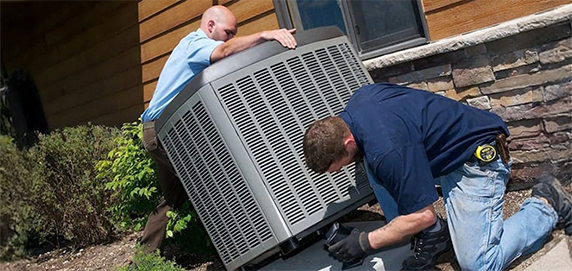
What AC Replacement Really Means for You?
Air conditioning (AC) replacement is the process of removing your current cooling system and installing a new one that better serves your home's needs. You might be here because something broke. Or maybe your system is just old and tired, and you're ready for quieter, smarter, more efficient air. Either way, knowing what to look for and what to ask makes all the difference. Replacing your AC is one of the biggest home decisions you'll make. It touches your comfort, your wallet, and your home's long-term value.
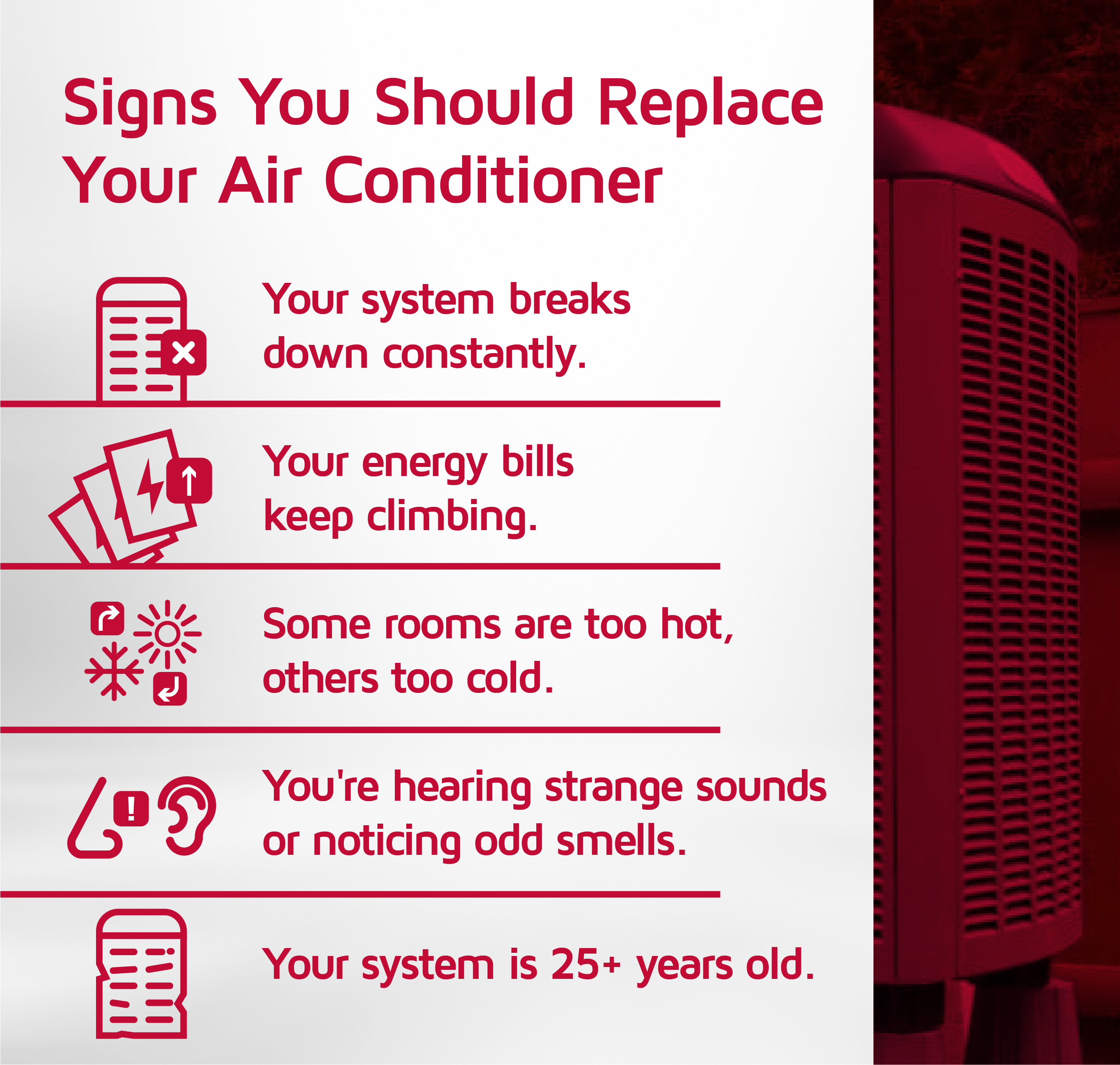
Signs You Should Replace Your Air Conditioner
Knowing when to repair versus replace is one of the most valuable things you can learn as a homeowner. Here are the warning signs worth taking seriously:
Your system breaks down constantly. If you're calling for repairs more than once a season, or if a single repair would cost more than half the price of a new unit, replacement is almost always the smarter investment.
Your energy bills keep climbing. When your bill creeps up, but your usage stays the same, your system is working harder than it should. Older units lose efficiency over time and consume more electricity to deliver the same level of cooling. Understanding how efficiency ratings affect your monthly costs is a great place to start.
Some rooms are too hot, others too cold. Inconsistent temperatures or hot spots throughout your home signal that your system can no longer distribute air properly. A home energy audit can help pinpoint whether your HVAC system, insulation, or air leaks are the source of the problem.
You're hearing strange sounds or noticing odd smells. Banging, rattling, grinding, or musty odors are red flags that shouldn't be ignored. These often point to failing components or mold and moisture issues developing inside the system.
Your system is 25+ years old. Most central air conditioning systems are built to last 10 to 15 years with regular maintenance. If yours is 25 years old, replacement isn't just recommended; it's overdue. A system that age is almost certainly running on outdated refrigerant, operating well below its original efficiency, and costing you far more in energy and repairs than a new system would.
The Real Benefits of Replacing Your AC
The right replacement system doesn't just cool your home. It changes how your home feels every single day.
Lower energy bills. Today's high-efficiency systems are significantly more energy-efficient than units manufactured even a decade ago. Higher efficiency means less electricity used to deliver the same cooling output, and that shows up directly on your utility bill.
More consistent comfort. Some newer systems feature variable-capacity technology, which allows them to adjust cooling output gradually, much like a dimmer switch for your air. The result is steadier temperatures and better humidity control throughout your home. It's worth noting that this technology is available on select models, so ask your dealer which option is right for your home.
Better air quality. Newer systems work hand in hand with air purification accessories to improve what you're actually breathing. Pairing a new AC with a smart thermostat and air quality monitor automatically triggers air cleaning to remove contaminants and pollutants from your air.
Smarter control at your fingertips. Today's systems pair seamlessly with smart thermostats that put your comfort in the palm of your hand. Adjust your home's temperature from anywhere, check in on your energy consumption, and receive proactive alerts when something needs attention. It's the kind of effortless control that makes your home feel like it's always one step ahead of you.
Less maintenance stress. Newer systems are built with more durable materials and smarter diagnostics to keep them running smoothly with minimal upkeep. Less time spent worrying about what might break next means more time to enjoy your home.
Types of Air Conditioning Systems to Consider
Central air conditioning remains the most popular choice for whole-home cooling. It uses your existing ductwork to deliver conditioned air to every room. If your ductwork is in good shape, a central system replacement is often the most seamless path forward.
Ductless mini-split systems are an excellent solution for homes without ductwork, and for room additions or spaces with specific needs. Some models offer exceptional energy efficiency while operating with remarkably quiet performance. Not sure whether a mini-split or central air is right for your situation? Comparing the two can help you weigh the trade-offs.
Heat pumps handle both heating and cooling on a single electric system, which eliminates the need for natural gas entirely. Cold climate heat pumps, like the Lennox SL22KLV, can operate efficiently in temperatures as low as -20°F, making them a powerful all-season option.
When selecting your system, it's worth thinking beyond the unit itself. A complete HVAC system where the air conditioner, furnace, and thermostat are designed to communicate with each other optimizes efficiency and delivers more reliable comfort than mismatched equipment ever could.
Factors That Influence Your Replacement Decision
Several variables shape the overall scope and investment of an AC replacement:
System size and efficiency level. Higher-efficiency systems typically cost more upfront but deliver lower operating costs over time. Check for available rebates and savings that may offset your upfront costs.
Installation complexity. Tighter spaces, longer refrigerant line runs, or electrical upgrades can add to the project scope.
Ductwork condition. If your ducts are leaking, undersized, or damaged, addressing them alongside your new system is essential for performance.
Brand and features. From straightforward reliable cooling to fully connected whole-home comfort systems, matching the features to your lifestyle is just as important as matching the price to your budget.
Warranty Advantages. Beyond the standard terms, many manufacturers offer extended warranty options that add labor coverage, additional years of parts protection, or component-specific guarantees. It's worth comparing what's included before you sign off, because the right warranty can save you significantly over the life of your system.
What the Air Conditioning Replacement Process Looks Like?
Understanding what happens during a replacement takes the mystery out of the process and helps you ask the right questions. Here are a few of the steps you can expect:
Home evaluation and load calculation. A licensed HVAC technician assesses your home's square footage, insulation, window placement, and other factors to determine the right system size.
Removing the old system. The existing unit is safely disconnected and removed, including refrigerant recovery handled per EPA guidelines.
Installing the new unit. Your new system is set in place, connected to your ductwork or refrigerant lines, and wired to your electrical panel and thermostat.
Testing and system calibration. The technician runs the system, checks airflow to every room, verifies refrigerant charge, and calibrates the thermostat to ensure everything performs as expected.
Final inspection and walkthrough. You'll get a rundown of your new system's features, maintenance schedule, and warranty coverage before the technician leaves.
Tips for a Smooth AC Replacement
Time it right. Spring and fall tend to be less busy seasons for HVAC contractors, which can mean faster scheduling and sometimes better pricing.
Work with a licensed professional. A certified HVAC technician ensures your system is sized correctly, installed properly, and ready to perform. Find a Lennox dealer near you to get started.
Ask about rebates. Utility companies, manufacturers, and federal programs often offer incentives or rebates for upgrading to high-efficiency equipment.
Keeping Your New System Running Strong
Once your new system is in, protecting that investment starts immediately.
Your system should be professionally inspected twice a year, once before cooling season and once before heating season. These checkups keep performance dialed in and catch small issues before they become expensive ones.
Change your filters every 3-6 months. It's the single easiest thing you can do to protect airflow and keep your system running efficiently. Always replace with the same filter type and size.
Outdoor unit care matters year-round too. Keep shrubs and landscaping trimmed back, and make sure sprinklers aren't hitting the unit directly.
Ready to Replace Your AC?
Replacing your air conditioner is one of the most meaningful investments you can make in your home. When you understand the warning signs, know your system options, and work with a professional who gets it right from day one, you set yourself up for years of reliable comfort and real energy savings. The right system doesn't just cool your house. It makes your home feel exactly the way it should.
Every home is different, and the right AC replacement starts with a conversation. A trusted local Lennox dealer will assess your home, walk you through your options, and ensure you get a system that fits your life perfectly. Find a dealer near you and take the first step toward a cooler, more comfortable home.
We’re here to help make home comfort solutions a little clearer and a lot less stressful.
No Worries. It’s a Lennox.™